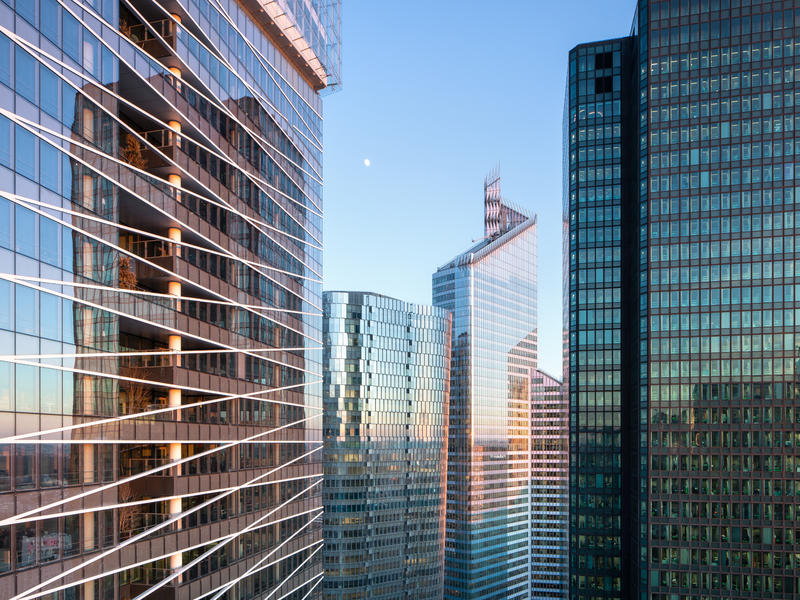
Smart Facades: Buildings that adapt to the climate through their skin
Article written in collaboration with ArchDaily
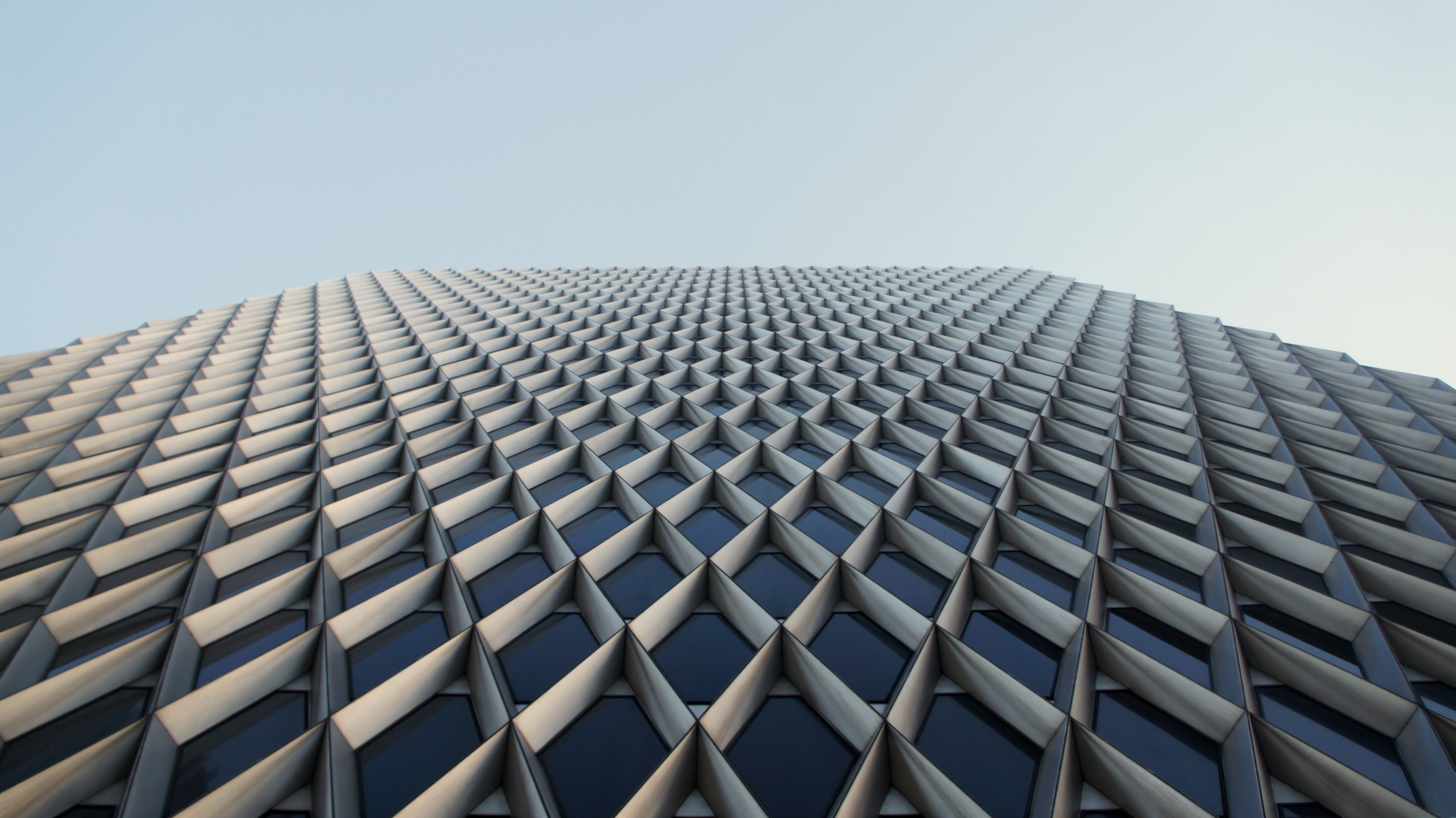
Facades are the interface between the interior and exterior of a building. They are the most striking and visible parts of a building, they protect it from external agents and are one of the main contributors to creating comfortable environments since it is where thermal gains and losses occur. Just like our skin, an extremely versatile organ of our body, it should be natural for it to be the part of the building which bears technology capable of becoming adaptable to the environmental conditions of the place where it is located.
We have already published an article on adaptive facades for more resilient architecture that features a variety of technologies that adapt to the environment. Although many of the solutions presented there may seem like science fiction, there already are options available in the market for smart facades, with modern glasses that control light transmittance, transparency, and the phenomenon of snow melting, to make buildings more intelligent and ecological. We have selected some market solutions below:
Glass that changes its appearance upon stimulation
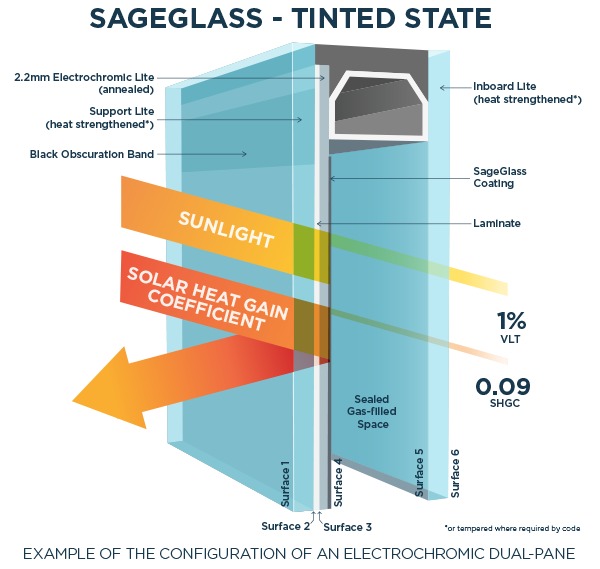
SageGlass is an electrochromic glass from Saint-Gobain. By modifying the applied stress on the glass sheet, it is possible to control its color and consequently change the light intensities and transmitted ultraviolet and infrared radiation will have through these materials. That is, this dynamic glass allows building users to actively control natural light and solar heat gain, improving comfort and significantly reducing energy consumption. Dynamic glass tinting is driven by an intelligent control system that uses sensors to automatically tint in response to light conditions. But you can also control appearance from a mobile phone. It is important to mention that the main benefit is the ability to maintain contact with the outside view through the glass.
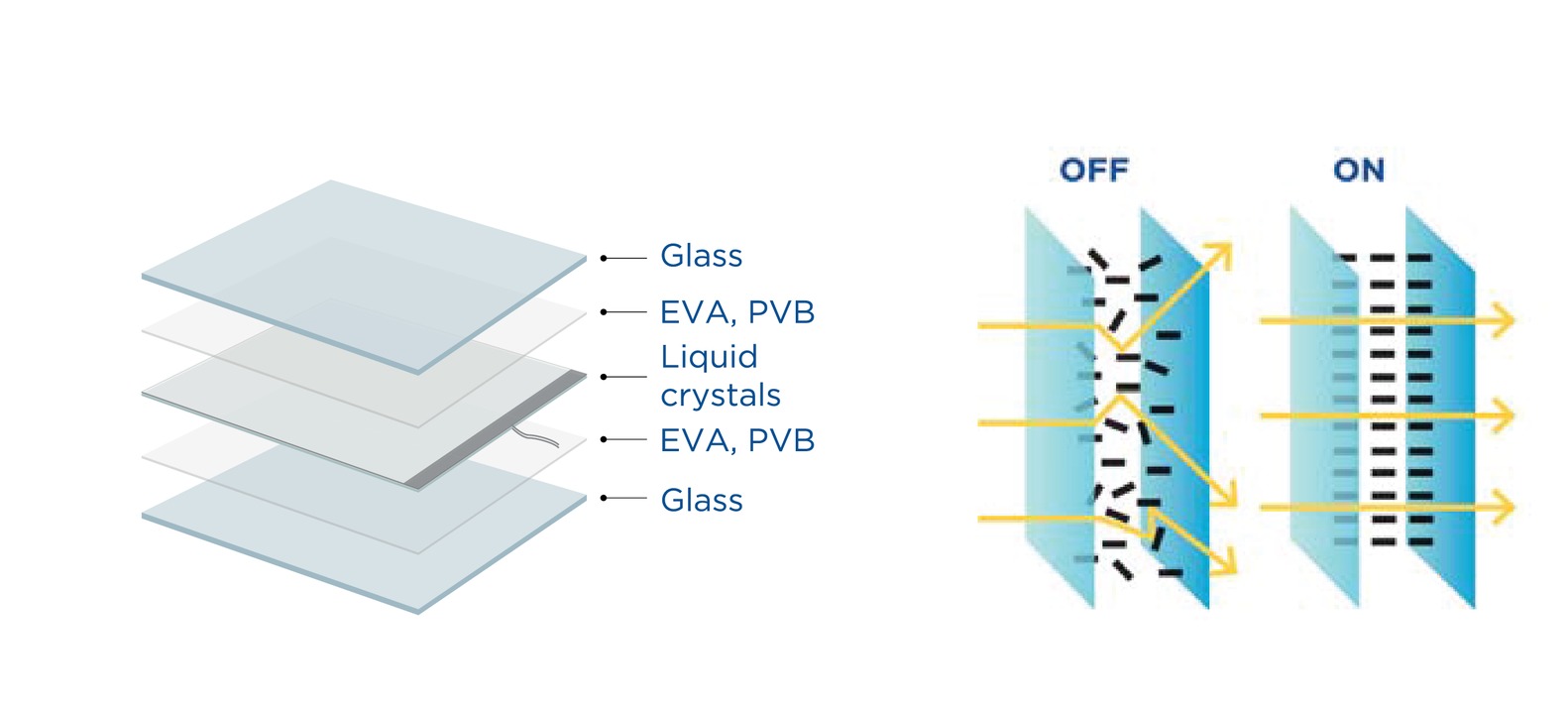
PRIVA-LITE, however, is a unique solution in space management through the instant control of opalescence (transparency and translucency). It is an active glass that, powered by electricity, changes from translucent to transparent without changing light transmittance. Its main benefit is precisely that of obtaining privacy while maintaining access to natural light. Also, the glass offers the possibility of performing dynamic projections of videos and images, transforming the facade into a large screen.
Glass that provides heat to the interior
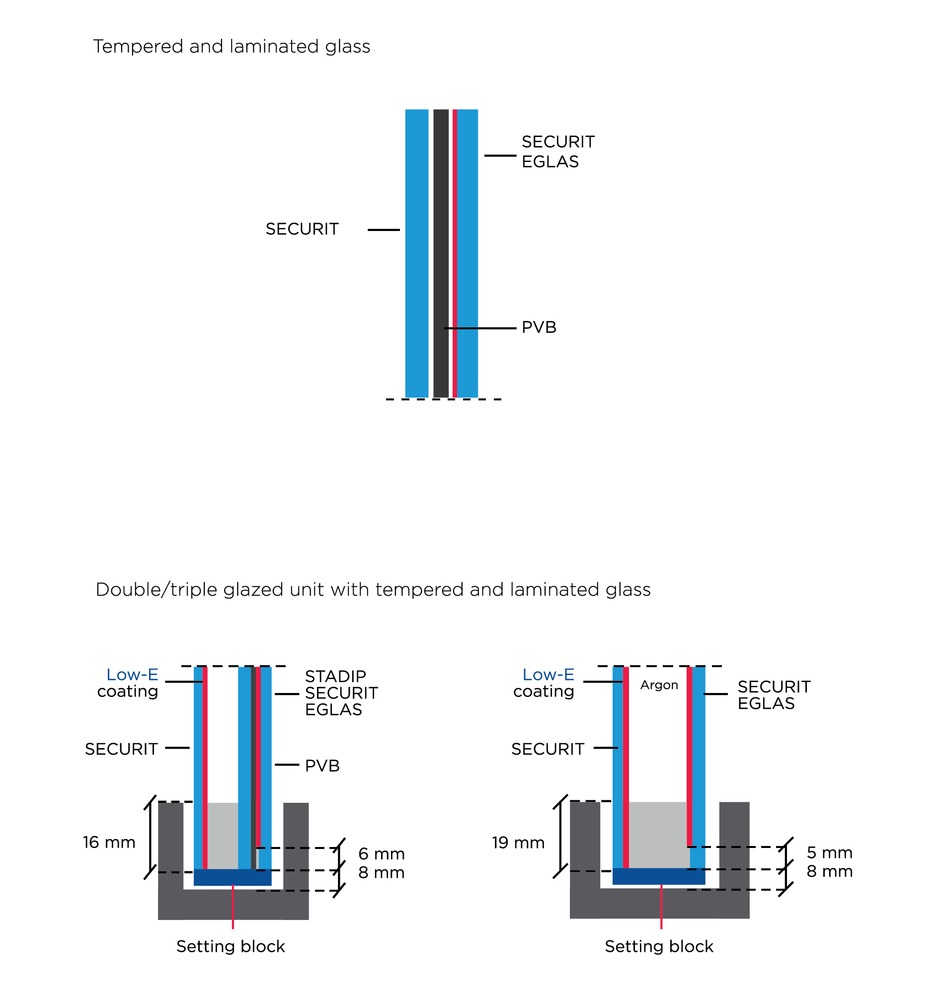
EGLAS is an integrated invisible heating solution, which allows greater internal comfort, both visual and thermal. It was developed in 1986 in Finland and, of course, is intended for colder countries. It is designed to provide heat from the glass and is based on two factors: electric current and a layer of metal oxides, applied on one surface of the glass. Depending on the type of application and the glass structure, in addition to helping heating up the room, it can also fulfill the functions of preventing condensation and even snow melting.
Self-cleaning glass
Self-cleaning glass is a reality as well. A transparent coating of hydrophilic and photocatalytic mineral materials is applied during the manufacturing process, enabling the glass to use the power of UV radiation, contained in sunlight, and the rain to efficiently control the dirt that accumulates on the outside of the windows. Exposure to UV radiation triggers the decomposition of organic dirt and makes the glass surface hydrophilic. The rain (or water) forms a layer across the glass and rinses off organic dirt and mineral materials. For the façade, the main benefit is maintenance, as the idea is to halve the need for cleaning, reducing the cost of scaffolding, cranes, or all the dangerous operation that involves cleaning façades of tall buildings.
It is important to note that, despite the technological advances concerning facades, many gains in terms of sustainability can be made through conscious design and by choosing materials that are suited to the climate and the environment. The combination of both traditional and intelligent systems and materials can enhance the comfort and efficiency of a building.